Total Pageviews

Tuesday, November 22, 2011

BASAVANNA

Basava (also known as Guru Basavanna (Kannada: ಬಸವಣ್ಣ) or Basaveshwara (Kannada: ಬಸವೇಶ್ವರ), (11341196)) was a philosopher and a social reformer. He is also called Vishwa Guru and Bhakti-Bhandari. His teachings and preachings which are universal, go beyond all boundaries of belief systems. He was a great humanitarian and preached a new way of life wherein the divine experience being the center of life regardless of gender, belief, tradition, religion, caste,social status or whatever. The key aspect of his preaching is monotheistic concept of God A true visionary with ideas ahead of his time; he envisioned a society that flourished enriching one and all. He was a great mystic,of his time and originated a literary revolution through his literary creation called Vachana Sahitya. He was a mystic by temperament, an idealist by choice, a statesman by profession,(He was the Prime Minister of the Southern Kalachuri Empire in South India) a man of letters by taste, a humanist by sympathy, and a social reformer by conviction. Many great yogis and mystics of his time joined his movement enriching it with the essence of divine experience in the form of Vachanas
Basava spread social awareness through his poetry Known as VACHANAAS. These are rational and progressive social thoughts coupled with established perception of God in Hindu society. "Brahminical thought" interpret the VACHANNAS as essence of vedic knowledge while attempting to explain the social revolution, Basava was able to bring in. But this theory however fails to explain why other well known religious leaders like Shankaracharya and Madhwacharya, who were very well acquainted with vedic knowledge did not address the issues, that Basava did in later part of the history in 12th century. Basava, like Gautama Budda, did not preach people the intricate aspects of spirituality; but, he taught people how to live happily in a rational social order later came to be known as Sharana movement. Unfortunately, the lingayatha or veerashaiva dharma has turned out be another exploiting caste in Casteist Hindu society, washing away the efforts of Basava. Basavanna has been reduced to another deity.

Basava fought against the inhuman practice of caste system,which discriminated people based on their birth, and certain rituals in Hinduism. He spread social awareness through his poetry, popularly known as Vachanaas. These are rational and progressive social thoughts coupled with established perception of God in Hindu society.

Early life


t is believed that Basava was born into a Veerashaiva family residing in a small town of Ingaleshwar, now known as Basavana Bagewadi in Bijapur district of northern Karnataka, India in 1134 AD(Hindu Calendar Ananada nama samvatsara vashakah masada akshaya triteeya Rohini Nakshatra). Basava, said to have grown up in an orthodox Hidu religious household and rejected many practices in vedic society based on some of the religious sriptures called Agamas, Shastras, and Puranas in Sanskrit language.
He left Bagewadi and spent the next 12 years studying Sangameshwara, the then-Shaivite school of learning at Kudala Sangama. There, he conversed with scholars and developed his spiritual and religious views in association with his societal understanding. Játavéda Muni, also known as Eeshánya Guru, was his guru. Basavanna invented Ishtalinga.he was driven by his realisation; in one of his Vachanas he says Arrive Guru, which means Knowledge is ones Teacher. Many Contemporary Vachanakaras( people who have scripted Vachanas) have described him as Swayankrita Sahaja, which means self-made.

[edit] Religious Developments


Basavanna used Ishtalinga to eradicate untouchability, establish equality among all human beings and a means to attain spiritual enlightenment. Ishtalinga is very much different from Sthavaralinga and Charalinga. Ishtalinga is the universal symbol of God.Sthavaralinga represents Shiva in Dhyana Mudra. Charalinga is a miniaturized form of Sthavaralinga.
Guru Basavanna started his career as an accountant at Mangalaveda in the court of Kalachuri king Bijjala, a feudatory of the Kalyani Chalukya. When Bijjala acquired the power at Basavakalyana, by overpowering Tailapa IV (the grandson of Vikramaditya VI, the great Chalukya king), Basavanna also went to Kalyana. With his honesty, hard work and visionary mission, Basava rose to the position of Prime Minister in the court of king Bijjala, who ruled from 11621167 at Kalyana (presently renamed Basavakalyana). There, he established the Anubhava Mantapa, a spiritual parliament, which attracted many saints from throughout India. He believed in the principle Káyakavé Kailása (Work puts you on the path to heaven, Work is Heaven). It was at this time that the Vachanas, simple and easy-to-understand poetic writings which contained essential teachings, were written.

[edit] Fight against casteism

Guru Basavanna statue in Bangalore
Basava created much controversy by actively ignoring the societal rules associated with the caste system, which he wished to abolish. By allowing untouchables to have lunch at his residence and praising the historic marriage of a Brahmin woman and an untouchable man, Basava caused orthodox members of King Bijjala's court to go to the king with such stories, some true and some false. Bijjala, afraid of a possible uprising in orthodox society, ordered the newly married couple to be harshly punished. Before punishing the couple, Bijjala asked Basava to agree with the caste system; but Basava strongly opposed the caste system and said both Haralayya and Madhuvaras were Lingayats and the rules of the caste system were not applicable to them. Bijjala did not agree with Basavanna's ideas, and asked Basavanna to be silent and accept the punishment to the couple or leave Kalyana. The "Being punished" (Danda-gonda) Basavanna left Kalyana with a heavy heart and marched towards Kudala Sangama. He left Kalyana in 1196 A.D. of Rakshasa nama samvatsara, phalguna masada 12th day for Kudala Sangama and en route to Kudala sangama, he preached to the people about the humanity, morality, honesty, simplicity, and the dignity of labour, equality among all human beings, human rights, etc. Being a perfect yogi, he released the bonds of the body and soul and took nirvana (Lingaikya) on 30-7-1196 A.D. (Hindu Calendar: NaLanama samvatsarada Shravan shuddha panchami), in response to the call from Kudala Sangama Devá, the Almighty.[citation needed]

[edit] Philosophy


Basava said that the roots of social life are embedded not in the cream of the society but in the scum of the society. It is his witty saying that the cow does not give milk to him who sits on its back, but it gives milk to him who squats at its feet. With his wide sympathy, he admitted high and low alike into his fold. The Anubhava Mantapa established by Basava laid down the foundation of social democracy. Basava believed that man becomes great not by his birth but by his conduct in the society. This means faith in the dignity of man and the belief that a common man is as good a part of society as a man of status.
He proclaimed that all members of the state are labourers: some may be intellectual labourers and others may be manual labourers. He placed practice before precept and his own life was of rigid rectitude. Basava brought home to his countrymen the lesson of self-purification. He tried to raise the moral level of the public life in the country, and he insisted that the same rules of conduct applied to the administrators as to the individual members of the society. He also taught the dignity of manual labour by insisting on work as worship. Every kind of manual labour, which was looked down upon by people of high caste, should be looked upon with love and reverence, he argued. Thus arts and crafts flourished, and a new foundation was laid down in the history of the economics of the land.
The Sharanas had no caste divisions and accepted everyone as equal. Jedara Dasimayya was by profession a weaver, Shankar Dasimayya a tailor, Madivál Máchayya a washerman, Myadar Ketayya a basket-maker, Kinnari Bommayya a goldsmith, Vakkalmuddayya a farmer, Hadapada Appanna a barber, Jedar Madanna a soldier, Ganada Kannappa an oilman, Dohar Kakkayya a tanner, Mydar Channayya a cobbler, and Ambigara Chowdayya a ferryman. There were women followers such as Satyakka, Ramavve, and Somavve with their respective vocations. The curious thing was that all these and many more have sung the Vachanas (sayings) regarding their vocations in a very suggestive imagery.
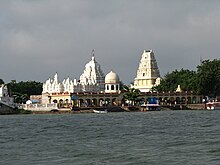
Kudala Sangama in Bagalkot district, where Guru Basavanna's samadhi is located

[edit] Basavanna's Vachanas

Kannada
ಉಳ್ಳವರು ಶಿವಾಲಯ ಮಾಡುವರು ನಾನೇನು ಮಾಡಲಿ ಬಡವನಯ್ಯಾ
ಎನ್ನ ಕಾಲೇ ಕಂಬ, ದೇಹವೇ ದೇಗುಲ, ಶಿರವೇ ಹೊನ್ನ ಕಳಸವಯ್ಯಾ
ಕೂಡಲಸಂಗಮದೇವಾ ಕೇಳಯ್ಯಾ, ಸ್ಥಾವರಕ್ಕಳಿವುಂಟು ಜಂಗಮಕ್ಕಳಿವಿಲ್ಲ
,


uLLavaru shiválaya máduvaru nánénu mádali badavanayyá
enna kále kambha dehavé degula shiravé honna kaLashavayyá
Kúdala Sangama Devá keLayya sthavarakkaLivunTu jangamakaLivilla
 ?
The rich will make temples for Shiva. What shall I, a poor man, do?
My legs are pillars, The body the shrine, The head a cupola of gold.
Listen, O lord Kudal Sangama deva, Things standing shall fall, But the moving ever shall stay.
Below are some of the thousands of Vachanas:
The power of knowledge destroys ignorance;
The power of light dissipates darkness;
The power of truth is foe of all untruth;
The sharana's experience of god is the sole cure of worldliness;
- Lord Kudala Sangamadeva
ಜ್ಞಾನದ ಬಲದಿಂದ ಅಜ್ಞಾನದ ಕೇಡು ನೋಡಯ್ಯ
ಜ್ಯೋತಿಯ ಬಲದಿಂದ ಅಂಧಕಾರದ ಕೇಡು ನೋಡಯ್ಯ
ಸತ್ಯದ ಬಲದಿಂದ ಅಸತ್ಯದ ಕೇಡು ನೋಡಯ್ಯ
ಕೂಡಲ ಸಂಗನ ಶರಣರ ಬಲದಿಂದ ಆತ್ಮನ ಅಹಂಕಾರದ ಕೇಡು ನೋಡಯ್ಯ
-ಕೂಡಲ ಸಂಗಮ ದೇವ...
...

Don't rob, Don't kill, Never ever lie
Don't get angry, Don't think negative about others
Don't self describe, Don't tease others
This is the way of self respect, this is the way to get respected by the world.
This is the way of impressing my lord Koodala sangam deva.
ಕಳಬೇಡ, ಕೊಲಬೇಡ, ಹುಸಿಯ ನುಡಿಯಲುಬೇಡ
ಮುನಿಯಬೇಡ, ಅನ್ಯರಿಗೆ ಅಸಹ್ಯ ಪಡಬೇಡ
ತನ್ನ ಬಣ್ಣಿಸಬೇಡ , ಇದಿರು ಹಳೆಯಲುಬೇಡ
ಇದೆ ಅಂತರಂಗ ಶುದ್ದಿ, ಇದೆ ಬಹಿರಂಗ ಶುದ್ದಿ
ಇದೆ ನಮ್ಮ ಕೂಡಲ ಸಂಗಮ ದೆವನೊಲಿಸುವ ಪರಿ.
-ಕೂಡಲ ಸಂಗಮ ದೇವ......

[edit] Insignia

The Kudala Sangama Deva is - his insignia of all his vachanas in Kannada.
Ramanujam in his book, speaking of Shiva, has translated Basavanna's insignia Kudala Sangama Deva into Lord of the meeting rivers. But that is only literal translation. It does not fit to the Definition of Kudala Sangama Deva given by Basavanna.
Basavanna Defines GOD as:
jagadagala mugilagal migeyagal,
nimmagala, pataLadindattatta nimma shricarana,
brahmanDadindattatta nimma shri mukuta,
agammya, agOcara, apramana lingave,
neevenna karasthalakke bandu
cuLukadirayya kudala sangamadeva.
In this Vacana, Guru Basava has made it clear that, Kudala Sangamadeva in not Lord of meeting rivers. He is infinite, eternal, and beyond the reach of the physical senses. Basavanna gives perfect shape in the form of Ishtalinga to the formless and absolute GOD. Thus Ishtalinga represents the eternal, omnipresence, and Absolute GOD.

[edit] Views on Basaveshwara today

Mahatma Gandhi spoke thus at the Belgaum session of the Indian National Congress in 1924[1]:
It has not been possible for me to practise all the precepts of Basaveswara which he taught 800 years ago and which he also practiced… Eradication of untouchability and dignity of labour were among his core precepts. One does not find even shades of casteism in him. Had he lived during our times, he would have been a saint worthy of worship.
The Times of India in its issue dated May 17, 1918 paid a glowing tribute to Basava:
It was the distinctive feature of his mission that while illustrious religious and social reformers in India before him had each laid his emphasis on one or other items of religion and social reform, either subordinating more or less other items to it or ignoring them altogether, Basava sketched and boldly tried to work out a large and comprehensive programme of social reform with the elevation and independence of womanhood as its guiding point. Neither social conferences which are usually held in these days in several parts of India, nor Indian social reformers, can improve upon that programme as to the essentials. The present day social reformer in India is but speaking the language and seeking to enforce the mind of Basava.
The movement initiated by Basava through Anubhava Mantapa became the basis of a sect of love and faith. It gave rise to a system of ethics and education at once simple and exalted. It sought to inspire ideals of social and religious freedom, such as no previous faith of India had done. In the medieval age which was characterized by inter-communal jealousy, it helped to shed a ray of light and faith on the homes and hearts of people. But the spirit soon disappeared after the intermarriage that Basava facilitated came to an abrupt end when the couple were punished for the same by the King.
The movement gave a literature of considerable value in the vernacular language of the country, the literature which attained the dignity of a classical tongue. Its aim was the elimination of the barriers of caste and to remove untouchability, raising the untouchable to the equal of the high born. The sanctity of family relations and the improvement in the status of womanhood were striven for while at the same time the importance of rites and rituals, of fasts and pilgrimages was reduced. It encouraged learning and contemplation of God by means of love and faith. The excesses of polytheism were deplored and the idea of monotheism was encouraged.[2][citation needed] The movement tended, in many ways, to raise the nation generally to a higher level of capacity both in thought and action.

[edit] Legacy

Karnataka Rajyotsava

Karnataka or Kannada Rajyotsava (Kannada: ಕನ್ನಡ ರಾಜ್ಯೋತ್ಸವ; Karnataka Formation Day; literally "Birth of the Karnataka state") is celebrated on 1 November every year. This was the day in 1956 when all the Kannada language-speaking regions of South India were merged to form the state of Karnataka.[3]
The Rajyotsava day is listed as a government holiday in the state of Karnataka[4] and is celebrated by Kannadigas across the world.[1] It is marked by the announcement and presentation of the honours list for Rajyotsava Awards by the Government of Karnataka, hoisting of Karnataka flag with an address from the Chief Minister and Governor[5] of the state along with community festivals, orchestra, Kannada book releases and concerts

History

Aluru Venkata Rao was the first person who dreamt of unifying the State as early as 1905 with the Karnataka Ekikarana movement.[5] In 1950, India became republic and different provinces were formed in the country on the basis of language spoken in the particular region and this gave birth to the state of Mysore including various places in south India, which were earlier ruled by the kings.[4]
The Kannada flag, used as an emblem of Kannada culture
On November 1 in 1956, Mysore state, comprising most of the area of the erstwhile princely state of Mysore, was merged with the Kannada-speaking areas of the Bombay and Madras presidencies, as also of the principality of Hyderabad, to create a unified Kannada-speaking sub national entity. North Karnataka, Malnad (Canara) and old Mysore were thus the three regions of the newly formed Mysore state.
The newly unified state initially retained the name "Mysore", which was that of the erstwhile princely state which formed the core of the new entity.[7] But the people of North Karnataka did not favour the retention of the name Mysore, as it was closely associated with the erstwhile principality and the southern areas of the new state. In deference to this logic, the name of the state was changed to "Karnataka" on November 1, 1973. Devaraj Urs was the Chief Minister of the state when this landmark decision was taken.[8] Other people credited for the unification of Karnataka include littérateurs like K. Shivaram Karanth, Kuvempu, Masti Venkatesha Iyengar, A. N. Krishna Rao and B. M. Srikantaiah.[5]

[edit] Celebrations

Rajyotsava day is celebrated with great joy and vigour all over the state of Karnataka. The entire state wears a festive look on this day as the red and yellow Kannada flags are hoisted at different strategic locations across the state and the Kannada anthem ("Jaya Bharatha Jananiya Tanujate") is chanted.[9] The flag is hoisted at political party offices and several localities even as youth in many areas take out processions on two-wheelers.[10] Religion not being a factor, the Rajyotsava is celebrated by Hindus, Muslims[11] and Christians as well.[12][13]

[edit] Government procession

Auto rickshaws and other vehicles are decorated with red and yellow themes signifying the Kannada flag
The state government asserts Rajyotsava awards on this day, which are awarded to people responsible for great contributions in the development of Karnataka.[4] The Chief Minister of the State inaugurates the cultural show which is normally held at Kanteerava Stadium, Bangalore.[10] Awards are presented to students who have won medals in various national games.[14]
The celebrations are marked by multicoloured tableaux carrying the picture of the Goddess Bhuvaneshwari mounted on a decorated vehicle.[15] The colourful procession is also accompanied by performances of the folk artists in the fields of drama (Bayalata), traditional dance (Dollu Kunitha, Kamsale, Veeragase, Kolata) and classical carnatic music.[4]

Since Nov 1 is a public holiday, it is celebrated at commercial establishments in the following days of the week. Kannada flags are prominently hoisted and displayed at almost all office and business establishments across the city of Bengaluru.[10] Being a hub of several IT companies,[16] Bengaluru's major firms like Wipro, SAP Labs,[17] Accenture, Alcatel-Lucent[18] and Infosys[19] encourage employees to showcase the local favour by holding cultural events. The IT crowd show their support by wearing Kannada-themed T-shirts to workplaces.[20] Educational institutions also hold such events at schools along with flag-hoisting and the rendering of naadageethe.[21][22]

[edit] Non-resident Kannadigas

Apart from celebrations in Karnataka, it is also observed in other regions of India with significant Kannadiga population like Mumbai, New Delhi,[23] Gurgaon[24] and Chennai.[25] Overseas Kannada organisations also take part in the festivities by arranging cultural events in countries like USA,[26] Singapore,[27] Dubai,[28] Muscat,[29] South Korea,[30] Australia,[31] New Zealand,[32] Scotland[33] and Ireland.[34]

Monday, November 21, 2011

ಕೆನೆ ಪದರ ಮತ್ತು ರಸ್ತೆಗೆ ತೆಳು ಡಾಂಬರು ಪದರ

ಈ ಸಮಾಜದಲ್ಲಿ ಭ್ರಷ್ಟರಲ್ಲದ ಉನ್ನತ ವ್ಯಕ್ತಿಯನ್ನು ಹುಡುಕುವುದೆಂದರೆ ದಿನದಿನಕ್ಕೆ ಕಷ್ಟವಾಗುತ್ತಿದೆ. `ಲೋಕಾಯುಕ್ತ` ಹುದ್ದೆಗೆ ಯೋಗ್ಯ ವ್ಯಕ್ತಿಯನ್ನು ದೇವಲೋಕದಿಂದಲೇ ಕರೆತರಬೇಕೇನೊ` ಎಂದು ಇತ್ತೀಚೆಗೆ ಈಶ್ವರಪ್ಪ ಹೇಳಿದ್ದನ್ನು ನೆನಪಿಸಿಕೊಳ್ಳಿ.

ಏಕೆ ಈಚೀಚೆಗೆ ಭ್ರಷ್ಟಾಚಾರ ಸರ್ವವ್ಯಾಪಿ ಆಗುತ್ತಿದೆ? ನಮ್ಮಲ್ಲಷ್ಟೇ ಅಲ್ಲ, ಬ್ರಿಟನ್ನಿನಲ್ಲೂ ಆದಾಯ ತೆರಿಗೆ ವಂಚಿಸಲು ಹೋಗಿ ಕೆಲವು ರಾಜಕಾರಣಿಗಳು ಕಂಬಿ ಎಣಿಸುತ್ತಿದ್ದಾರೆ. ಈ ಹಿನ್ನೆಲೆಯಲ್ಲಿ ಮನುಷ್ಯನ ಗುಣಸ್ವಭಾವಗಳ ಅಧ್ಯಯನ ಮಾಡುವ ವರ್ತನಾ ವಿಜ್ಞಾನಿಗಳು, ಮನೋವಿಜ್ಞಾನಿಗಳು, ಸಮಾಜ ವಿಜ್ಞಾನಿಗಳು ಭ್ರಷ್ಟಾಚಾರದ ಬಗ್ಗೆ ಏನನ್ನುತ್ತಾರೆಂದು ನೋಡಲು ಬ್ರಿಟನ್ನಿನ `ನ್ಯೂ ಸೈಂಟಿಸ್ಟ್` ಪತ್ರಿಕೆ ಜಗತ್ತಿನ ನಾನಾ ಭಾಗಗಳಲ್ಲಿ ಈ ಕುರಿತು ನಡೆಯುತ್ತಿರುವ ವೈಜ್ಞಾನಿಕ ಅಧ್ಯಯನಗಳನ್ನೆಲ್ಲ ಕಲೆ ಹಾಕಿ ಕಳೆದ ವಾರ ಪ್ರಕಟಿಸಿದೆ. 

ಅದರ ಮುಖ್ಯಾಂಶಗಳು ಇಲ್ಲಿವೆ:
ಪ್ರಾಣಿಗಳೂ ಸಸ್ಯಗಳೂ ತಮ್ಮ ವಂಶ ವೃದ್ಧಿಯಾಗಲೆಂದು ಅನೇಕ ಅನೈತಿಕ ಕೆಲಸಗಳನ್ನು ಮಾಡುತ್ತವೆ. ಸುಳ್ಳು, ಮೋಸ, ವಂಚನೆ, ಸ್ವಜನ ಪಕ್ಷಪಾತ, ಕಳ್ಳತನ ಇವೆಲ್ಲವೂ ಜೀವಲೋಕದಲ್ಲಿ ಹಾಸು ಹೊಕ್ಕಾಗಿವೆ. 

ಎಲ್ಲೆಲ್ಲೂ ಮೋಸಗಾರರೇ ಇರುವಾಗ ತಾನೊಬ್ಬ ಸತ್ಯವಂತನಾಗಿ, ಸಂತನಾಗಿ ಇರುತ್ತೇನೆಂದರೆ ಆ ಜೀವಿ ಕಡುಕಷ್ಟದ ಬದುಕು ಸಾಗಿಸಬೇಕಾಗುತ್ತದೆ. ಹಾಗೆಂದು ತೀರಾ ಬಹಿರಂಗ ಭ್ರಷ್ಟನಾಗಿದ್ದರೂ ಏಟು ಬೀಳುತ್ತದೆ. 

ಇಂಥ ಸಂದರ್ಭದಲ್ಲಿ ಇವೆರಡರ ನಡುವಣ ಮಾರ್ಗವೇ ಯಶಸ್ಸಿನ ಸೋಪಾನವಾಗುತ್ತದೆ. ಅಂದರೆ, `ನಾವೆಲ್ಲ ನೀತಿವಂತರಾಗಿ ಬಾಳೋಣ` ಎಂಬ ಆದರ್ಶವನ್ನು ನಟಿಸುತ್ತಲೇ ಆದಷ್ಟೂ ಬುದ್ಧಿವಂತಿಕೆಯಿಂದ ತನ್ನ ಸ್ಥಾನವನ್ನು ಭದ್ರಪಡಿಸುತ್ತ ಹೋಗುವುದೇ ಯಶಸ್ಸಿನ ಸೂತ್ರವಾಗಬೇಕು. ಅಲ್ಲಿಗೆ, ವಿಕಾಸ ವಿಜ್ಞಾನದ ಪ್ರಕಾರ, ಬೂಟಾಟಿಕೆಯೇ (ಹಿಪಾಕ್ರಿಸಿ) ಜೀವಲೋಕದ ಅಂತಃಸ್ರೋತ ಗುಣವಾಗಿರಬೇಕು. 

ಮನುಷ್ಯನೂ ಹಾಗೆಯೇ ಇರಬೇಕಿತ್ತು; ಆದರೆ `ಯಶಸ್ಸು` ಎಂದರೆ ಆತನ ಮಟ್ಟಿಗೆ ಸಂತಾನವೃದ್ಧಿಯೇ ಪರಮೋಚ್ಚ ಎನ್ನುವಂತಿಲ್ಲ; ಮಠಾಧೀಶರುಗಳಿದ್ದಾರೆ. ಇನ್ನು ಹಣಗಳಿಕೆಯೇ ಅಳತೆಗೋಲು ಎನ್ನುವಂತೆಯೂ ಇಲ್ಲ. ಸರಳ ಬದುಕು ನಡೆಸುವವರೂ ಭ್ರಷ್ಟರಿರಬಹುದು. 

ಪ್ರಾಣಿ ಪ್ರಪಂಚದಲ್ಲಿ ಕಾಣಸಿಗದ ಮೌಲ್ಯಾಧಾರಿತ ಬದುಕು, ಸತ್ಯವಂತನೆಂಬ `ಕೀರ್ತಿ` ಇವೆಲ್ಲ ಮನುಷ್ಯ ಪ್ರಪಂಚದಲ್ಲಿ ಹಾಸುಹೊಕ್ಕಾಗಿರುತ್ತವೆ. ನಾವು ವಿಕಾಸ ಪಥದಲ್ಲಿ ವಿವಿಧ ಬಗೆಯ ಆದರ್ಶ ಪಥಗಳನ್ನು, ನೈತಿಕ ಕೋಟೆಗಳನ್ನು ಕಟ್ಟಿಕೊಳ್ಳುತ್ತ ಬಂದಿದ್ದೇವೆ. 

ಅವುಗಳ ನಡುವೆ ಎತ್ತರಕ್ಕೆ ಬೆಳೆದ ವ್ಯಕ್ತಿಗಳೇ ಆಗಾಗ ಹಠಾತ್ತಾಗಿ ಅಪಕೀರ್ತಿಯ ಪ್ರಪಾತಕ್ಕೆ ಬೀಳುತ್ತಾರೆ. ಹಾಗಾಗಿ ನಮ್ಮಳಗಿನ ಭ್ರಷ್ಟಮತ್ತೆಯನ್ನು ಅಥವಾ ಅದಕ್ಕೆ ಕಾರಣಗಳನ್ನು ಅಳೆಯುವುದು ಸುಲಭವಲ್ಲ. ಆದರೂ ವಿಜ್ಞಾನಿಗಳು ನಾನಾ ಬಗೆಯ ಪ್ರಯೋಗಗಳ ಮೂಲಕ, ಆಟಗಳ ಮೂಲಕ ಮನುಷ್ಯನ `ಭ್ರಷ್ಟಮತ್ತೆ`ಯನ್ನು ಅಳೆಯಲು ಯತ್ನಿಸುತ್ತಿದ್ದಾರೆ. 

`ನಮ್ಮಲ್ಲಿ ಬಹುಪಾಲು ಜನರು ಪ್ರಾಮಾಣಿಕ ಬದುಕು ನಡೆಸುತ್ತೇವೆ, ಏಕೆಂದರೆ ಮೋಸ ಮಾಡುವ ಅವಕಾಶ ಸಿಕ್ಕಿರಲಿಲ್ಲ` ಎಂಬುದನ್ನು ಸ್ವಿಸ್ ಫೆಡರಲ್ ಇನ್‌ಸ್ಟಿಟ್ಯೂಟ್‌ನಲ್ಲಿ ನಡೆಸಿದ ಪ್ರಯೋಗವೊಂದರಲ್ಲಿ ತೀರ್ಮಾನಿಸಲಾಗಿದೆ.
ಮನೋವಿಜ್ಞಾನಿಗಳು ಇಂಥವನ್ನೆಲ್ಲ ಪತ್ತೆ ಹಚ್ಚಲೆಂದು ಆಟಗಳನ್ನು ರೂಪಿಸುತ್ತಾರೆ. ಪ್ರತಿ ಆಟಗಾರನಿಗೆ ಒಬ್ಬ ಸಹಾಯಕ (ಆಳು) ಇರುತ್ತಾನೆ. ಆತನ ನೆರವಿನಿಂದ ಬಿಸಿನೆಸ್ ಮಾಡುತ್ತ, ಆತನಿಗೂ ನ್ಯಾಯಯುತವಾಗಿ ಲಾಭಾಂಶ ಹಂಚುತ್ತ ಮುನ್ನಡೆಯಬೇಕು. ನಿಯತ್ತಿನಲ್ಲಿ ಆಡಿದರೆ ಕೊನೆಯಲ್ಲಿ ಎಲ್ಲರ ಐಶ್ವರ್ಯವೂ ಸಮಸಮ ಆಗಬೇಕು. 

ನಿಯತ್ತಿನಲ್ಲೇ ಆಡಬೇಕು, ಆಳುಗಳಿಗೆ ಸಲ್ಲಬೇಕಾದ್ದನ್ನು ನೀಡಬೇಕು ಎಂಬುದನ್ನು ಎಲ್ಲರೂ ಆರಂಭದಲ್ಲಿ ಒಪ್ಪಿದ್ದರು. ಮೊದಲ ಸುತ್ತಿನಲ್ಲಿ ಹೂಡಿಕೆ ಬಂಡವಾಳ ಕಮ್ಮಿ ಇದ್ದಾಗ, ಒಬ್ಬೊಬ್ಬನೇ ಆಳು ಇದ್ದಾಗ ಯಾರೂ ಮೋಸ ಮಾಡಲಿಲ್ಲ. ಎರಡನೆಯ ಸುತ್ತಿನಲ್ಲಿ ಬಿಸಿನೆಸ್ಸನ್ನು ಇಮ್ಮಡಿ ಮಾಡಿ, ಒಬ್ಬೊಬ್ಬನಿಗೆ ಮೂವರು ಆಳುಗಳನ್ನು ನೀಡಲಾಯಿತು. 

ಶೇಕಡಾ 20ರಷ್ಟು ಆಟಗಾರರು ಆಳುಗಳಿಗೆ ಸೇರಬೇಕಿದ್ದ ಹಣದಲ್ಲಿ ಸ್ವಲ್ಪ ಭಾಗವನ್ನು ಲಪಟಾಯಿಸತೊಡಗಿದರು. ಮೂರು, ನಾಲ್ಕನೆಯ ಸುತ್ತಿನಲ್ಲಿ ಬಂಡವಾಳ ಹೂಡಿಕೆ ಜಾಸ್ತಿ ಆಗುತ್ತ ಹೋದಂತೆ ಮೋಸದ ಪ್ರಮಾಣವೂ ಜಾಸ್ತಿಆಗುತ್ತ ಅದು ಶೇ. 45ಕ್ಕೆ ಏರಿತು. ಬಡವರು ಹಂಚಿಕೊಂಡು ಉಣ್ಣುತ್ತಾರೆ. ಶ್ರೀಮಂತರು ಸ್ವಾರ್ಥಿಗಳಾಗುತ್ತ ಹೋಗುತ್ತಾರೆ ಎಂಬುದು ಈ ಪ್ರಯೋಗದಿಂದ ಗೊತ್ತಾಯಿತು.

ಆದರೆ ವಾಸ್ತವದಲ್ಲಿ ಬಡದೇಶಗಳಲ್ಲೇ ಲಂಚಗುಳಿತನ ಹೆಚ್ಚಿದೆ. `ಟ್ರಾನ್ಸ್‌ಪರೆನ್ಸಿ ಇಂಟರ್‌ನ್ಯಾಶನಲ್` ಸಂಸ್ಥೆ ಪ್ರತಿ ವರ್ಷ ಜಗತ್ತಿನ ಎಲ್ಲ ದೇಶಗಳ `ಭ್ರಷ್ಟತಾ ಸೂಚ್ಯಂಕ`ವನ್ನು ಪ್ರಕಟಿಸುತ್ತಿದೆ. 

ಭ್ರಷ್ಟಾಚಾರ ಅತ್ಯಂತ ಕಡಿಮೆ ಇರುವ ಡೆನ್ಮಾರ್ಕ್, ನ್ಯೂಝಿಲೆಂಡ್, ಸಿಂಗಪೂರ್, ಫಿನ್ಲೆಂಡ್, ಸ್ವೀಡನ್ ಮುಂತಾದ ಶ್ರೀಮಂತ ದೇಶಗಳು ಮೊದಲ ಐದು ಸ್ಥಾನಗಳಲ್ಲಿದ್ದರೆ, ಚೀನಾ 78, ಭಾರತ 87, ಅರ್ಜೆಂಟಿನಾ 105, ಬಾಂಗಾದ್ಲೇಶ್ 134 ಮತ್ತು ಪಾಕಿಸ್ತಾನ 143ನೇ ಸ್ಥಾನದಲ್ಲಿವೆ. 

ಎಲ್ಲಕ್ಕಿಂತ ಕೆಳಗೆ ದಟ್ಟ ದರಿದ್ರ ಸೊಮಾಲಿಯಾ 178ನೇ ಸ್ಥಾನದಲ್ಲಿದೆ. ಇದಕ್ಕೆ ಕಾರಣ ಏನೆಂದರೆ ಇದ್ದ ಸೀಮಿತ ಸಂಪತ್ತನ್ನೇ ಎಲ್ಲರೂ ಬಾಚಿಕೊಳ್ಳಲು ಹೊರಟಾಗ ಕೆಲವೇ ಶಕ್ತಿಶಾಲಿಗಳು ಮೇಲುಗೈ ಪಡೆಯುತ್ತಾರೆ. ಇದು ನಿಜವಿದ್ದೀತೆ?

ವ್ಯಕ್ತಿಯ ಆತ್ಮವಿಶ್ವಾಸವನ್ನು ಹೆಚ್ಚಿಸುವ, ಆ ಮೂಲಕ ಆತ ತನಗೆ ತಾನೇ `ಪವರ್‌ಫುಲ್` ಎಂದುಕೊಳ್ಳುವಂತೆ ಮಾಡುವ ಅನೇಕ ತಂತ್ರಗಳು ಮನೋವಿಜ್ಞಾನದಲ್ಲಿವೆ. ಒಂದು ತಂತ್ರದ ಪ್ರಕಾರ, ತಾನು ಇದುವರೆಗೆ ಗೆಲುವು ಸಾಧಿಸಿದ ಪ್ರಸಂಗಗಳೆಲ್ಲ ಸಾಲಾಗಿ ವ್ಯಕ್ತಿಗೆ ನೆನಪಾಗುವಂತೆ ಮಾಡಿದರೆ ಸಾಕು, ತಾನು ಶಕ್ತಿಶಾಲಿ ಎಂಬ ಭಾವನೆ ತಾತ್ಕಾಲಿಕವಾಗಿ ಆತನ ಮನಸ್ಸಿನಲ್ಲಿ ಮೂಡುತ್ತದೆ.

ಅಂಥ ಕ್ಷಣದಲ್ಲಿ ಆತನ ಮಿದುಳಿನ ಯಾವ ಯಾವ ಭಾಗಗಳು ಉದ್ದೀಪನವಾಗುತ್ತವೆ ಎಂಬುದನ್ನು ನೆದರ್‌ಲ್ಯಾಂಡ್ಸ್‌ನ ಎರಡು ವಿಶ್ವವಿದ್ಯಾಲಯಗಳ ತಜ್ಞರು ಸ್ಕ್ಯಾನ್ ಮಾಡಿ ನೋಡಿದರು.

ಸೆರೆ ಕುಡಿದವರಲ್ಲಿ ಕಾಣಬರುವಂತೆ ನಿರ್ಭಯ, ನಿಸ್ಸಂಕೋಚ, ನಿರ್ಲಜ್ಜ, ನಿರಾತಂಕ ಭಾವಗಳನ್ನು ಸ್ಫುರಿಸಬಲ್ಲ ನರಮಂಡಲದ ಭಾಗಗಳು ಮಿನುಗತೊಡಗಿದವು. ಅದರರ್ಥ ಏನೆಂದರೆ, ಅತಿಯಾದ ಆತ್ಮವಿಶ್ವಾಸವಿರುವ ವ್ಯಕ್ತಿ ನಿರ್ಭಯಿ ಆಗುತ್ತಾನೆ.

ತಾನು ಏನು ಮಾಡಿದರೂ ಜೀರ್ಣಿಸಿಕೊಳ್ಳಬಲ್ಲೆ, ಜಯಿಸಬಲ್ಲೆ ಎಂಬ ಭಾವನೆ ಸದಾ ಸ್ಥಾಯಿಯಾಗಿ ಇರುತ್ತದೆ. ತನ್ನನ್ನು ಕಂಡಾಗ ಸೆಲ್ಯೂಟ್ ಹೊಡೆಯುವ, ಕಾಲಿಗೆ ಬೀಳುವ ವಂದಿಮಾಗಧರು ಸುತ್ತೆಲ್ಲ ಇರುವಾಗ ಸಹಜವಾಗಿಯೇ ತಾನು ಪವರ್‌ಫುಲ್ ಎಂಬ ಭಾವನೆ (ಮದ) ಬರುತ್ತದೆ. ಅಧಿಕಾರ ಇರುವವರು, ಶ್ರೀಮಂತರು, ಸ್ವಾಮೀಜಿಗಳು ಭ್ರಷ್ಟಕೂಪಕ್ಕೆ ಜಾರುತ್ತಾರೆ. 

ಲಂಚದಿಂದ ದೂರ ಇರಬಯಸುವವರು ಉಡುಗೊರೆಗಳನ್ನು ಮಾತ್ರ ಸ್ವೀಕರಿಸುತ್ತಾರೆ. ಇನ್ನು ಕೆಲವರು ಲಂಚ ಸಂಗ್ರಹಕ್ಕೆಂದೇ ಮಧ್ಯವರ್ತಿಗಳನ್ನು ಇಟ್ಟುಕೊಂಡಿರುತ್ತಾರೆ. 

ರೆವಿನ್ಯೂ ಇಲಾಖೆಯಲ್ಲಿ, ಡ್ರೈವಿಂಗ್ ಲೈಸೆನ್ಸ್ ಪಡೆಯುವಲ್ಲಿ ನಾವೆಲ್ಲ ಇಂಥವರನ್ನು ನೋಡಿದ್ದೇವೆ. ಪಾಪಕೃತ್ಯದಲ್ಲಿ ತಾನು ನೇರ ಭಾಗಿಯಾಗಿಲ್ಲ ಎಂತಲೊ ಅಥವಾ ಸಿಕ್ಕಿಬಿದ್ದರೆ ತಾನು ಬಚಾವು ಆಗಬಹುದು ಎಂತಲೊ ಈ ಮಾರ್ಗ ಅನುಸರಿಸುತ್ತಾರೆ. ಮತ್ತೆ ಕೆಲವರು ತಮ್ಮ ಗಳಿಕೆಯ ಒಂದು ಪಾಲನ್ನು ತಮ್ಮ ಮೇಲಿನವರಿಗೆ ಮತ್ತು/ಅಥವಾ ದೇವರಿಗೆ ನೀಡಿ ಪಾಪಪ್ರಜ್ಞೆಯಿಂದ ಮುಕ್ತರಾಗುತ್ತಾರೆ.

ಅದು ಸರಿ, ಆದರೆ ಲಂಚ ಕೊಡುವವರು ಇರುವವರೆಗೆ ಅದನ್ನು ಪಡೆಯುವವರು ಇರುತ್ತಾರೆ ತಾನೆ? ಪವರ್‌ಫುಲ್ ವ್ಯಕ್ತಿಗಳಷ್ಟೇ ಅಬ್ಬೇಪಾರಿ ಜನರೂ ಪಾಪಕೃತ್ಯದಲ್ಲಿ ಭಾಗಿಯೆನ್ನಬೇಕಾಗುತ್ತದೆ. ಹಾಗೆ ಒಂದು ದೇಶದ ಇಡೀ ಸಮಾಜವೇ ಭ್ರಷ್ಟವಾಗಲು ಸಾಧ್ಯವೆ? ಸಮಾಜದ ಎಲ್ಲ ಸ್ತರಗಳಲ್ಲೂ ಭ್ರಷ್ಟತನ ಅಂತರ್ಗತವಾಗಿರಲು ಸಾಧ್ಯವೆ? 

ಆಕ್ಸ್‌ಫರ್ಡ್ ವಿವಿಯ ತಜ್ಞರು ಈ ಪ್ರಶ್ನೆಯನ್ನು ಕೆದಕಿದರು. ಜಗತ್ತಿನ 34 ದೇಶಗಳಿಂದ ಬಂದ ಸ್ನಾತಕಪೂರ್ವ ವಿದ್ಯಾರ್ಥಿಗಳ ಸಮೂಹಕ್ಕೆ ಒಂದು ಪ್ರಶ್ನಾವಳಿಯನ್ನು ನೀಡಿದರು. 

ಯಾವ ಯಾವ ಸಂದರ್ಭಗಳಲ್ಲಿ (ಉದಾ: ಆಸ್ಪತ್ರೆಯಲ್ಲಿ ತನ್ನ ಸರದಿ ಮೊದಲು ಬರುವಂತೆ) ಅಧಿಕಾರಿಗಳಿಗೆ ಲಂಚ ನೀಡುವುದು ಸೂಕ್ತ/ ಅನೈತಿಕ/ ಜಾಣತನ ಎಂಬ ಪಟ್ಟಿ ಅದರಲ್ಲಿತ್ತು. 

ಯಾವ ದೇಶದಿಂದ ಬಂದ ಯುವಕರ ಪ್ರತಿಕ್ರಿಯೆ ಹೇಗಿದೆ ಎಂದು ಭ್ರಷ್ಟತಾ ಸೂಚ್ಯಂಕದ ಪಟ್ಟಿಯಲ್ಲಿರುವ ದೇಶಗಳ ಜತೆ ತಾಳೆ ನೋಡಿದರು. ಭ್ರಷ್ಟಾಚಾರ ಜಾಸ್ತಿ ಇರುವ ದೇಶಗಳಿಂದ ಬಂದ ಯುವಜನರು ಲಂಚ ನೀಡಲು ಸುಲಭವಾಗಿ ಮುಂದಾಗುತ್ತಾರೆ ಎಂಬುದು ಈ ಪ್ರಶ್ನಾವಳಿಯನ್ನು ವಿಶ್ಲೇಷಿಸಿದಾಗ ತಿಳಿದು ಬಂತು. 

`ಲಂಚಗುಳಿತನ ಎಂಬುದು ಆಯಾ ದೇಶದ ಸಂಸ್ಕೃತಿಯಲ್ಲೇ ಬೇರೂರಿ ಬೆಳೆದಿರುತ್ತದೆ` ಎಂದು ಫ್ಲಾರಿಡಾ ಸ್ಟೇಟ್ ವಿವಿಯ ಸಮಾಜ ವಿಜ್ಞಾನಿ ಡೇನಿಲಾ ಸೆರ‌್ರಾ ತೀರ್ಮಾನಿಸಿದರು. 

ಇದ್ದುದರಲ್ಲಿ ಸಮಾಧಾನದ ಸಂಗತಿ ಏನೆಂದರೆ ಭ್ರಷ್ಟ ಸಮಾಜದಿಂದ ದೂರವಾಗಿ ಹೆಚ್ಚಿನ ಸಮಯವನ್ನು ಬೇರೆ ದೇಶಗಳಲ್ಲಿ ಕಳೆದರೆ ಕ್ರಮೇಣ ಅವರು ಬದಲಾಗುತ್ತಾರೆ. 

ವಿದೇಶದಲ್ಲೇ ಪದವಿ ಪಡೆದು ಅಲ್ಲೇ ಸ್ನಾತಕೋತ್ತರ ಅಧ್ಯಯನದಲ್ಲಿ ತೊಡಗಿಕೊಂಡ ವಿದ್ಯಾರ್ಥಿಗಳಿಗೆ ಇನ್ನೊಂದು ಪ್ರಶ್ನಾವಳಿ ನೀಡಿ ಫಲಿತಾಂಶ ನೋಡಿ ಈ ನಿರ್ಣಯಕ್ಕೆ ಬಂದ ಸೆರ‌್ರಾ, `ಇವರೇ ಮುಂದೆ ತಮ್ಮ ದೇಶದಲ್ಲಿ ಬದಲಾವಣೆಯ ಹರಿಕಾರರಾಗುವ ಸಾಧ್ಯತೆ ಇದೆ` ಎಂದು ಹೇಳುತ್ತಾರೆ.

ಹದಿಹರಯದ ಆದರ್ಶಗಳನ್ನು ಮುಂದೆಯೂ ಕಟ್ಟುನಿಟ್ಟಾಗಿ ಪಾಲಿಸಬಲ್ಲವರು, ಹರಿಕಾರರಾಗಬಲ್ಲವರು ಎಂಥ ಪತಿತ ಸಮಾಜದಲ್ಲೂ ಕೆಲವರು ಇದ್ದೇ ಇರುತ್ತಾರೆ. 

ಅಂಥವರನ್ನು ಹುಡುಕುವುದು, ಅಂಥವರ ತಂಡ ಕಟ್ಟುವುದು ಹೇಗೆ? ಭ್ರಷ್ಟತೆಯ ನಾನಾ ಮುಖಗಳನ್ನು ಅಳೆದು ನೋಡಿದ ಸಮಾಜ ವಿಜ್ಞಾನಿಗಳಲ್ಲಿ ಈ ಪ್ರಶ್ನೆಗೆ ಉತ್ತರವಿಲ್ಲ. ಆದರೆ ಯಾರು ಸುಲಭವಾಗಿ ಭ್ರಷ್ಟರಾಗುತ್ತಾರೆ ಎಂಬುದಕ್ಕೆ ಎಮ್‌ಐಟಿಯ ವರ್ತನಾ ಅರ್ಥತಜ್ಞ ಡ್ಯಾನ್ ಏರಿಯೆಲಿ ಕೆಲವು ಸೂಚನೆಗಳನ್ನು ಪಟ್ಟಿ ಮಾಡಿದ್ದಾರೆ. 

ಅವರ ಪ್ರಕಾರ, ಸೃಜನಶೀಲ ವ್ಯಕ್ತಿಗಳು ಇತರರಿಗಿಂತ ಜಾಸ್ತಿ ಅಪ್ರಾಮಾಣಿಕರಾಗಿರುತ್ತಾರೆ. ಹೀಗೆ ಮಾಡುವುದು ಏಕೆ ಸರಿ ಎಂದು ತಮಗೆ ತಾವೇ ಕತೆ ಕಟ್ಟಿಕೊಳ್ಳುತ್ತ ಆತ್ಮವಂಚನೆ ಮಾಡಿಕೊಳ್ಳುವಲ್ಲಿ ಅವರು ನಿಸ್ಸೀಮರಾಗಿರುತ್ತಾರೆ. 

ಆತ್ಮವಂಚನೆ ಎಂಬುದು ಭ್ರಷ್ಟಾಚಾರದತ್ತ ಮೊದಲ ಹೆಜ್ಜೆ- ಗೊತ್ತಲ್ಲ?
ಅದೆಲ್ಲ ಗೊತ್ತು, ಭ್ರಷ್ಟಾಚಾರದ ನಿಯಂತ್ರಣಕ್ಕೆ ಈ ವಿಜ್ಞಾನಿಗಳಲ್ಲಿ ಏನಾದರೂ ಹೊಸ ಅಸ್ತ್ರ ಇದೆಯೆ? ಶಿಕ್ಷೆ ಮತ್ತು ಅವಮಾನ ಎರಡೂ ಪ್ರಯೋಗಶಾಲೆಗಳಲ್ಲಿ ಉತ್ತಮ ಅಸ್ತ್ರಗಳು ನಿಜ. ಸಿಕ್ಕಿ ಬಿದ್ದೇನೆಂಬ ಭಯದಿಂದಾಗಿಯೇ ಎಲ್ಲರೂ ಅಲ್ಲಿ ಪ್ರಾಮಾಣಿಕರಾಗುತ್ತಾರೆ. 

ಆದರೆ ಮೇಲ್ವಿಚಾರಕನೇ ಅನೈತಿಕ ಹಾದಿ ತುಳಿಯುವಾಗ ಈ ಎರಡೂ ವಿಫಲವಾಗುತ್ತವೆ. ಹಾಗಾಗಿ ಸಾರ್ವತ್ರಿಕವಾಗಿ ಎಲ್ಲರೂ ಭ್ರಷ್ಟಾಚಾರದ ವಿರುದ್ಧ ಸಂಘಟಿತರಾಗಿ ಕ್ರಿಯಾಶೀಲರಾದರೆ ಮಾತ್ರ ಅದನ್ನು ಹತ್ತಿಕ್ಕಬಹುದು ಎಂದು ಇಂಡೊನೇಶ್ಯದಲ್ಲಿ ವಿಶ್ವಸಂಸ್ಥೆಯ ಸಲಹಾಕಾರನಾಗಿ ಕೆಲಸ ಮಾಡಿದ ಬೆಂಜಮಿನ್ ಓಲ್ಕನ್ ಹೇಳುತ್ತಾರೆ. 

ಅಲ್ಲಿ ವಿವಿಧ ಸ್ತರಗಳಲ್ಲಿ ಲೆಕ್ಕಪತ್ರ ತಪಾಸಣೆ ಮಾಡುವ ಕಟ್ಟುನಿಟ್ಟಿನ (ಪ್ರಾಯಶಃ ನಮ್ಮಲ್ಲಿ ಜಾರಿಗೆ ಬರಲಿರುವ ಲೋಕಪಾಲ್ ಮಾದರಿಯ) ವ್ಯವಸ್ಥೆ ಇದೆಯೆಂದು ಅವರು ಹೇಳುತ್ತಾರೆ. ಅದೆಷ್ಟೊ ಬಾರಿ ತಪಾಸಣೆಗೆ ಬರಲೇ ಬೇಕೆಂದಿಲ್ಲ. `ಬರುತ್ತಿದ್ದೇವೆ` ಎಂದು ಹೆದರಿಸಿದರೂ ರಸ್ತೆಯ ಮೇಲೆ ತುಸು ದಪ್ಪ ಡಾಂಬರು ಪದರ ಬೀಳುವುದನ್ನು ಅವರು ವಿವರಿಸುತ್ತಾರೆ.

ಭ್ರಷ್ಟಾಚಾರವನ್ನು ನಿಯಂತ್ರಿಸುವ ತಾಕತ್ತು ಮೇಲಿನವರ ಕೈಯಲ್ಲಿದ್ದರೆ ಸಾಲದು. ಅವಕಾಶ ವಂಚಿತ ಜನಸಾಮಾನ್ಯರ ಕೈಯಲ್ಲೂ ಅದು ಇರಬೇಕಲ್ಲವೆ? ಈ ನಿಟ್ಟಿನಲ್ಲಿ ನಾವು ಭಾರತೀಯರು ಕೆಳಗಡೆ ಜನಸಾಮಾನ್ಯರ ಕೈಗೆ `ಮಾಹಿತಿ ಹಕ್ಕು` ಅಸ್ತ್ರವನ್ನು ಮೊದಲು ನೀಡಿದ್ದೇವೆ. ಮೇಲ್ಗಡೆಯಿಂದ ಲೋಕಪಾಲರನ್ನೂ ಸ್ಥಾಪಿಸಲು ಸಿದ್ಧತೆ ನಡೆಸಿದ್ದೇವೆ. ಕಾದು ನೋಡೋಣ, ಡಾಂಬರು ಪದರದ ದಪ್ಪ ಹೆಚ್ಚುತ್ತದೊ ಅಥವಾ ಆಗಲೂ ಕೆನೆಪದರವೇ ಮೇಲುಗೈ ಸಾಧಿಸುತ್ತದೊ ಎಂದು.

Longest And Ahortest Train Route in India

f u r asking longest run (time) for a particular train then obviously answer is himsagar express...ie;...Longest run (time): The Vivek Express running between Dibrugarh and Kanyakumari, It covers its route of 4286km in 82 hours and 30  minutes and rather than this u can find ur answer from these information.....
Interesting Facts about Indian Railways
Shortest station name: Ib near Jharsuguda on the Howrah-Nagpur main line (South Eastern Railway.

Longest station name: Venkatanarasimharajuvariapeta often prefixed with Sri. on the Arakkonam-Renigunta section of the Southern Railway.

Longest run (time): The Vivek Express running between Dibrugarh and Kanyakumari, It covers its route of 4286km in 82 hours and 30 minutes which started its service on 19th November 2011.

Longest run for daily train: The Kerala Express has daily service and covers 3054 km in its run (in 42.5 hours).

Longest non-stop run (distance): The Trivandrum Rajdhani does not have a technical halt at Ratlam and, therefore, travels non-stop between Vadodara and Kota (528km), covering the stretch in about 6.5 hours.

Trains with no commercial halts en route: Sampoorna Kranti Exp,Howrah Rajdhani, Bombay Rajdhani, Pragati Exp and Pune Shatabdi

Shortest runs: Nagpur - Ajni has scheduled services that are just 3km in distance. This is mainly a service for crew to travel from Nagpur station to the workshop at Ajni.

Highest number of halts: Mail and Express trains [3/99] The Howrah-Amritsar Exp. leads in this category with 115 halts.

Busiest Station: Lucknow which caters to as many as 64 trains per day.

Stations straddling state lines: Navapur is a station that is half in Maharashtra and half in Gujarat . Bhawani Mandi station, on the Shamgarh-Kota section of the Bombay-Delhi line is half in Madhya Pradesh and half in Rajasthan.

Station with all the three gauges: Siliguri station

Wednesday, November 9, 2011

KARNATAKA SPLENDID BEAUTY

The Mysore Palace (Abhishek \m/) Tags: travel india white green grass yellow architecture clouds landscape dramatic bluesky palace structure finepix huge fujifilm karnataka majestic s700 puffyclouds mysorepalace greenary s5700 abhishekjoshi redtomb goldentomb historicimportanceView from the top (jackol) Tags: trees sky india mountains clouds forest landscape lumix fz20 hills panasonic sunrays karnataka hdr bandipur 2xp tophdr gopalswamybettaEternal Sunshine (Vineet Radhakrishnan) Tags: street desktop travel flowers wedding party wallpaper blackandwhite bw music baby india abstract flower cute cars love beach nature floral beautiful car fashion birds bike statue tattoo photoshop canon landscape person photography design amazing nikon scenery funny ship child superb action bokeh top wildlife awesome tiger fineart omega stock sigma olympus best tokina explore cc badge creativecommons download conceptual shiva karnataka tamron vector poses tattos strobist minimalisitc murudesvar urudeswar.Misty. (.krish.Tipirneni.) Tags: road morning trees india mist nature coffee misty fog landscape nikon foggy tall karnataka hpc feelgood chikmagalur d40 borrowedcam 18200vr coffeeestatesTwlight Magic (ayashok photography) Tags: morning sunrise landscape nikon bangalore dude karnataka dramaticsky hue nikonstunninggallery mysorehighway nikkor55200mm ayashok nikond300 dsc16931x1Single Tree Syndrome (ayashok photography) Tags: india nature landscape nikon dude karnataka singletree nikkor70300mm nikonstunninggallery ayashok nikond300 gopalaswamybettatrip verticalcompo bandipurhills aya0295Future (Neo-grapher) Tags: street morning people sun india lake nature beauty kids sunrise canon walking children landscape person photography eos kid scenery weekend walk bangalore earlymorning streetphotography walkway environment karnataka scenes individual morningwalk bengaluru belandur bellandur bellandurlake malayalikkoottam 1000d canon1000d peopleenjoyingnature neographer tpalandscape drisyam2010exhibitsun in coconut grove (akshath) Tags: morning light sun india tree nature canon landscape 350d coconut bangalore beam rays karnataka mysore kokkarebellur weekendshoots bangaloreweekendshoots akshath akshathkumarshettyGOKARNA/magenta sunset with silhouettes (inigolai) Tags: sunset red sky people india beach clouds landscape asia colours magenta silhouettes olympus scenary indians gokarna karnataka zuiko gonewiththewind zd personalfavorites naturesanctuary perfectcomposition freephotos beautifulcapture 1260mm earthasia travelplanet worldwidetravelogueWatching the rice grow. India (fredcan) Tags: travel sunset india nature water field landscape countryside bush asia dusk ricepaddies karnataka southindiaNatural Beauty: (~suchitra~) Tags: blue sky india green nature car forest canon landscape woods highway colorful village view wind side country powershot hills sd valley hassan karnataka mills mysore coorg 750

Night sky

The term night sky refers to the sky as seen at night. The term is usually associated with astronomy, with reference to views of celestial bodies such as stars, the Moon, and planets that become visible on a clear night after the Sun has set. Natural light sources in a night sky include moonlight, starlight, and airglow, depending on location and timing. Weather phenomenon such nighttime thunderstorms can dominate the sky, and transient events such as a great comet.
The night sky and studies of it have a historical place in both ancient and modern cultures. In the past, for instance, farmers have used the state of the night sky as a calendar to determine when to plant crops. Many cultures have drawn constellations between stars in the sky, using them in association with legends and mythology about their deities.
The anciently developed belief of astrology is generally based on the belief that relationships between heavenly bodies influence or convey information about events on Earth. The scientific study of the night sky and bodies observed within it, meanwhile, takes place in the science of astronomy.
The visibility of celestial objects in the night sky is affected by light pollution. The presence of the Moon in the night sky has historically hindered astronomical observation by increasing the amount of ambient lighting. With the advent of artificial light sources, however, light pollution has been a growing problem for viewing the night sky. Special filters and modifications to light fixtures can help to alleviate this problem, but for the best seeing both professional and amateur optical astronomers seek viewing sites located far from major urban areas.

[edit] Visual presentation

Stars are, depending on how dark the sky is, hundreds or thousands of white pinpoints of light in an otherwise black sky.[1] To the naked eye, they all appear to be equidistant on a dome above the earth because stars are much too far away for stereopsis to offer any depth cues. Visible stars range in color from blue (hot) to red (cold), but with such small points of faint light, most look white because they stimulate the rod cells without triggering the cone cells. If it is particularly dark and a particularly faint celestial object is of interest, averted vision may be helpful.
The stars of the night sky cannot be counted unaided because they are so numerous and there is no way to track which have been counted and which have not. Further complicating the count, fainter stars may appear and disappear depending on exactly where the observer is looking. The result is an impression of an extraordinarily vast star field.
Because stargazing is best done from a dark place away from city lights, dark adaptation is important to achieve and maintain. It takes several minutes for eyes to adjust to the darkness necessary for seeing the most stars, and surroundings on the ground are hard to discern. A red flashlight (torch) can be used to illuminate star charts, telescope parts, and the like without undoing the dark adaptation. (See Purkinje effect).

[edit] Constellations

There are no markings on the night sky, though there exist many sky maps to aid stargazers in identifying constellations and other celestial objects. Constellations are prominent because their stars tend to be brighter than other nearby stars in the sky. Different cultures have created different groupings of constellations based on differing interpretations of the more-or-less random patterns of dots in the sky. Constellations were identified without regard to distance to each star, but instead as if they were all dots on a dome.
Orion is among the most prominent and recognizable constellations.[2] The Big Dipper (which has a wide variety of other names) is helpful for navigation in the northern hemisphere because it points to Polaris, the north star.
The pole stars are special because they are approximately in line with the Earth's axis of rotation so they appear to stay in one place while the other stars rotate around them through the course of a night (or a year).

[edit] Planets

Planets, named for the Greek word for "wanderer," process through the star field a little each day. Planets, to the naked eye, look like additional points of light in the sky. The disc is not apparent without binoculars or a telescope. Venus is the most prominent planet, often called the "morning star" or "evening star" because it is brighter than the stars and visible near sunrise or sunset depending on its location in its orbit. Mercury, Mars, Jupiter and Saturn are also visible to the naked eye.

[edit] The Moon

Earth's Moon is a gray disc in the sky with cratering visible to the naked eye. It spans, depending on its exact location, 29-43 arcminutes - which is about the size of a thumbnail at arm's length, and is readily identified. Over 28 days, the moon goes through a full cycle of lunar phases. People can generally identify phases within a few days by looking at the moon. Unlike stars and planets, the light reflected from the moon is bright enough to be seen during the day.
Some of the most spectacular moons come during the full moon phase near sunset or sunrise. The moon on the horizon benefits from the moon illusion which makes it appear larger. The light reflected from the moon traveling through the atmosphere also colors the moon orange and/or red.

[edit] Comets

Comets come to the night sky only rarely. Comets are illuminated by the sun, and their tails extend away from the sun. A comet with visible tail is quite unusual - a great comet appears about once a decade. They tend to be visible only shortly before sunrise or after sunset because those are the times they are close enough to the sun to show a tail.

[edit] Clouds

Clouds obscure the view of other objects in the sky, though varying thicknesses of cloudcover have differing effects. A very thin cirrus cloud in front of the moon might produce a rainbow-colored ring around the moon. Stars and planets are too small or dim to take on this effect, and are instead only dimmed (often to the point of invisibility). Thicker cloudcover obscures celestial objects entirely, making the sky black or reflecting city lights back down. Clouds are often close enough to afford some depth perception, though they are hard to see without moonlight or light pollution.

[edit] Other objects

The Milky Way can be seen as a very large streak or arc across the night sky if the visibility conditions are good enough. This panoramic photo was taken at Death Valley.
On clear deep nights in unpolluted areas, when the moon is thin or below the horizon, a band of what looks like white dust, the Milky Way, can be seen.
Shortly after sunset and before sunrise, artificial satellites often look like stars - similar in brightness and size, but different because they move relatively quickly; those that fly in near-earth orbit cross the sky in a couple of minutes. Some satellites (including space junk) appear to blink or have a periodic fluctuation in brightness because they are rotating.
Meteors (commonly known as shooting stars) streak across the sky very infrequently. During a meteor shower, they may average one a minute not at regular intervals, but otherwise their appearance is a random surprise. The occasional meteor will make a bright, fleeting streak across the sky, and they can be very bright in comparison to the night sky.
Aircraft are also visible at night, distinguishable at a distance from other objects because their lights blink.
venia. Burger.si. Accessed 28 February 2011.

ಆದಿವಾಸಿಗಳ ಹಕ್ಕುಗಳ ದಮನ

ಸ್ಥಳೀಯ ಸಮುದಾಯಗಳ ಮೌಲ್ಯಗಳು, ಸಂಸ್ಕೃತಿ, ಧಾರ್ಮಿಕ ಭಾವನೆ   ಗೌರವಿಸುವ ಮತ್ತು   ರಕ್ಷಿಸುವ ಯಾವುದೇ  ವ್ಯವಸ್ಥೆಯನ್ನು ಇದುವರೆಗೆ ರೂಪಿಸದೆ ಇರುವುದೇ  ನೈಸರ್ಗಿಕ ಸಂಪನ್ಮೂಲಗಳು ನಾಶವಾಗಲು ಕಾರಣ. 

 ಆದಿವಾಸಿಗಳ ಹಕ್ಕುಗಳ ಉಲ್ಲಂಘನೆ ಮತ್ತು ಅವರ ಬದುಕಿನ ಹಕ್ಕನ್ನೇ ಕಸಿದುಕೊಳ್ಳುತ್ತಿರುವುದರ ವಿರುದ್ಧ ಇದುವರೆಗೆ ಪ್ರಬಲ ಹೋರಾಟ ನಡೆದೇ ಇಲ್ಲ.

ಕಬ್ಬಿಣದ ಅದಿರು, ಕಲ್ಲಿದ್ದಲು, ಬಾಕ್ಸೈಟ್, ಮರಳು, ಯುರೇನಿಯಂ, ಮೊನೊಸೈಟ್‌ನಂತಹ ಖನಿಜಗಳ   ಗಣಿಗಾರಿಕೆ ವಿಚಾರ ಬಂದಾಗ ಆದಿವಾಸಿಗಳ ಬದುಕನ್ನು  ನಿರ್ದಯವಾಗಿ ಹೊಸಕಿ  ಹಾಕಲಾಗುತ್ತಿದೆ. ಸ್ಥಳೀಯ ಜನರ ಭಾವನೆಗಳಿಗೆ  ಸ್ಪಂದಿಸದೆ ಅವರನ್ನು ಅನಾಮತ್ತಾಗಿ   ಸ್ಥಳಾಂತರಿಸಲಾಗುತ್ತಿದೆ...

                                         ====
ಕೊಡಗು ಜಿಲ್ಲೆ ಕುಶಾಲನಗರದಲ್ಲಿ ಅಕ್ಟೋಬರ್ 9ರಿಂದ 12ರವರೆಗೆ `ಸಮುದಾಯ ಹಕ್ಕುಗಳ ಸಂಗಮ 2011` ಹೆಸರಿನ ಪ್ರಮುಖ ರಾಷ್ಟ್ರೀಯ ಸಮಾವೇಶ ನಡೆಯಿತು. ಇದಕ್ಕೆ ಅಂತಹ ಪ್ರಚಾರ ಸಿಗಲಿಲ್ಲ, ಸಮಾವೇಶದಲ್ಲಿ ಯಾ ವ ವಿಷಯಗಳನ್ನು ಚರ್ಚಿಸಲಾಯಿತು ಎಂಬುದು ಅಷ್ಟಾಗಿ ಗೊತ್ತಾಗಲೂ ಇಲ್ಲ.

ಭೂಮಿ, ನೀರು ಮತ್ತು ಅರಣ್ಯಗಳ ಮೇಲಿನ ಜನರ ಹಕ್ಕುಗಳಿಗಾಗಿ ಹೋರಾಡುತ್ತಿರುವ ಹಲವಾರು ಸಂಘಟನೆಗಳು ಕಾರ್ಯಕ್ರಮದಲ್ಲಿ ಪಾಲ್ಗೊಂಡಿದ್ದವು. ಪ್ರಾಕೃತಿಕ ಸಂಪನ್ಮೂಲಗಳ ಮೇಲೆ ಸಮುದಾಯಗಳ ಹಕ್ಕುಗಳನ್ನು ಸಾಧಿಸುವ ನಿಟ್ಟಿನಲ್ಲಿ ಅವರೆಲ್ಲ ಚರ್ಚಿಸಿದರು, ಕಾರ್ಯತಂತ್ರ ರೂಪಿಸಿದರು ಮತ್ತು ಹಕ್ಕುಗಳ ರಕ್ಷಣೆಗಾಗಿ ಕ್ರಮಕ್ಕೆ ಮುಂದಾಗುವ ಸಂಕಲ್ಪ ಮಾಡಿದರು.

ಕೊಡಗಿನ ಬುಡಕಟ್ಟು ಕೃಷಿಕರ ಸಂಘದ ಅಧ್ಯಕ್ಷರು ಮಾತನಾಡಿ, ಪ್ರಾಕೃತಿಕ ಸಂಪನ್ಮೂಲದ ಮೇಲಿನ ತಮ್ಮ ಹಕ್ಕುಗಳನ್ನು ಉಳಿಸುವ ಸಲುವಾಗಿ ಇತರ ಸಮುದಾಯಗಳು ನಡೆಸಿದ ಹೋರಾಟಗಳಿಗೆ ತುಲನೆ ಮಾಡಿಕೊಂಡು ಹೋರಾಡದೆ ಇದ್ದರೆ ಆದಿವಾಸಿಗಳು ತಮ್ಮ ಅಸ್ತಿತ್ವದ ಉಳಿವಿಗಾಗಿ ಯಶಸ್ವಿ ಹೋರಾಟ ನಡೆಸಲು ಸಾಧ್ಯವಿಲ್ಲ ಎಂಬುದು ಇದೀಗ ಮನವರಿಕೆಯಾಗಿದೆ ಎಂದು ಹೇಳಿದ್ದರು.

ಕರ್ನಾಟಕದಿಂದ ಹಿಡಿದು ಒಡಿಶಾವರೆಗೆ ಸರ್ಕಾರ ಮತ್ತು ಕಂಪೆನಿಗಳು ದಟ್ಟ ಅರಣ್ಯ ಪ್ರದೇಶಗಳಲ್ಲಿ ಲಕ್ಷಾಂತರ ವರ್ಷಗಳಿಂದ ಹುದುಗಿದ್ದ ಖನಿಜ ನಿಕ್ಷೇಪಗಳನ್ನು ಮಾರಾಟ ಮಾಡುವುದರಲ್ಲಿ ತಲ್ಲೆನವಾಗಿವೆ.

ಈ ನೈಸರ್ಗಿಕ ಸಂಪನ್ಮೂಲಗಳ ಒಡೆತನವನ್ನು ಸರ್ಕಾರ ಸಾಧಿಸುವಂತಿಲ್ಲ ಎಂದು ರಾಷ್ಟ್ರೀಯ ಆದಿವಾಸಿ ಸಂಘಟನೆ ಹೇಳಿದೆ. ಸರ್ಕಾರವು ನಮ್ಮ ನೈಸರ್ಗಿಕ ಸಂಪನ್ಮೂಲಗಳ ಪೋಷಕ ಮಾತ್ರ, ಹೀಗಾಗಿ ಅದು ಈ ಸಂಪನ್ಮೂಲವನ್ನು ಭವಿಷ್ಯದ ಬಳಕೆಗಾಗಿ ಕಾಪಾಡಿಕೊಂಡು ಹೋಗಬೇಕು ಎಂದು ಸಮಾವೇಶದಲ್ಲಿ ಪಾಲ್ಗೊಂಡ ಮತ್ತೊಬ್ಬರು ಹೇಳಿದರು.

ಆದರೆ, ಹೆಚ್ಚಿನ ಸರ್ಕಾರಗಳು ಎಲ್ಲಾ ನೈಸರ್ಗಿಕ ಸಂಪನ್ಮೂಲಗಳ ಮೇಲೆ ಒಡೆತನ ಸಾಧಿಸಿ ಅವುಗಳನ್ನು ಯಾವ ಕಂಪೆನಿಗೆ ಬೇಕಾದರೂ ಮಾರಾಟ ಮಾಡುತ್ತಿವೆ. ಸರ್ಕಾರದ ಇಂತಹ ಮಾಲೀಕತ್ವದಿಂದಾಗಿಯೇ `ಬಳ್ಳಾರಿ ಗಣರಾಜ್ಯ`ದಲ್ಲಿ ಭ್ರಷ್ಟಾಚಾರ ತಾಂಡವವಾಡಿದೆ ಮತ್ತು ಗಣಿಗಳ ಲೂಟಿ ನಡೆದಿದೆ.

ಆದಿವಾಸಿಗಳು ಅರಣ್ಯ ಪ್ರದೇಶದಲ್ಲಿ ಎದುರಿಸುತ್ತಿರುವ ಸಮಸ್ಯೆಗಳನ್ನೇ ಕಡಲ ಕಿನಾರೆ ಮತ್ತು ನದಿ ತೀರಗಳಲ್ಲಿ ಮೀನುಗಾರರು, ಬೇಸಾಯಗಾರರು ಅನುಭವಿಸುತ್ತಿದ್ದಾರೆ. ನೆಲ, ಜಲ ಮತ್ತು ಅರಣ್ಯವನ್ನು ಲೂಟಿ ಮಾಡುವುದಕ್ಕಾಗಿಯೇ ಕಾನೂನುಗಳನ್ನು ರೂಪಿಸಲಾಗುತ್ತಿದೆ. ಇಂತಹ ನೂರಾರು ಕಾನೂನುಗಳಿಂದ ಜನರ ನೆಲೆ ತಪ್ಪಿಸಲಾಗುತ್ತಿದೆ.

ಆದಿವಾಸಿಗಳನ್ನು ಸ್ಥಳಾಂತರಿಸುವುದರ ಜತೆಗೆ ಅವರ ಪರಂಪರೆಯನ್ನು ನಿಧಾನವಾಗಿ ನಿರ್ಮೂಲನೆ ಮಾಡಲಾಗುತ್ತಿದೆ. ಸಾಂಪ್ರದಾಯಿಕ ಮೀನುಗಾರರು, ರೈತರು, ಮಹಿಳೆಯರು ಮತ್ತು ಮಕ್ಕಳು ದೊಡ್ಡ ಪ್ರಮಾಣದಲ್ಲಿ ತೊಂದರೆಗೆ ಸಿಲುಕಿದ್ದಾರೆ.

ಬುಡಕಟ್ಟು ಜನಾಂಗದವರ ಹಕ್ಕುಗಳ ರಕ್ಷಣೆಗಾಗಿ ಏನಾದರೂ ಹೋರಾಟ ನಡೆಸುವುದು ಅಗತ್ಯ ಎಂಬ ಸ್ಪಷ್ಟ ಸಂದೇಶವನ್ನು ಕುಶಾಲನಗರದಲ್ಲಿ ನಡೆದ ಸಮುದಾಯ ಹಕ್ಕುಗಳ ಸಂಗಮ ನೀಡಿದೆ. ಅಲ್ಲಿ ವಿಚಾರ ಸಂಕಿರಣಗಳು ಇದ್ದವು, ಚಲನಚಿತ್ರ ಪ್ರದರ್ಶನಗಳಿದ್ದವು, ಸಾಂಸ್ಕೃತಿಕ ಕಾರ್ಯಕ್ರಮಗಳಿದ್ದವು ಮತ್ತು ಸಾಂಪ್ರದಾಯಿಕ ಉತ್ಪನ್ನಗಳ ವಿತರಣಾ ವ್ಯವಸ್ಥೆ ಇತ್ತು.

ದೇಶದಾದ್ಯಂತದಿಂದ ಆಗಮಿಸಿದ 2 ಸಾವಿರಕ್ಕೂ ಹೆಚ್ಚು ಆದಿವಾಸಿಗಳು ಅಲ್ಲಿ ಸೇರಿದ್ದರು. 5 ಸಾವಿರಕ್ಕೂ ಅಧಿಕ ಜನರು ಈ ಸಮಾವೇಶದಲ್ಲಿ ಪಾಲ್ಗೊಂಡಿದ್ದರು. ಅ.12ರಂದು ಸಾಂಪ್ರದಾಯಿಕ ಸಮುದಾಯಗಳ ಹಕ್ಕುಗಳನ್ನು ಪ್ರತಿಪಾದಿಸುವ ಸಲುವಾಗಿ ಸಾಂಸ್ಕೃತಿಕ ರ‌್ಯಾಲಿಯೊಂದನ್ನು ಸಹ ಹಮ್ಮಿಕೊಳ್ಳಲಾಯಿತು.

ಆ ದಿನದ ವಿಶೇಷವೇನೆಂದರೆ ಅದು ಕ್ರಿಸ್ಟೋಫರ್ ಕೊಲಂಬಸ್ ಅಮೆರಿಕಕ್ಕೆ ಬಂದು ಇಳಿದ ದಿನ. ದೇಸಿ ಜನರ ನೈಸರ್ಗಿಕ ಸಂಪನ್ಮೂಲಗಳನ್ನು ವಸಾಹತುಶಾಹಿಗಳು ಲೂಟಿ ಮಾಡಲು ಆರಂಭಿಸಿದ ದಿನ ಎಂಬ ಕಾರಣಕ್ಕೆ ಈ ದಿನಾಂಕಕ್ಕೆ ವಿಶೇಷ ಮಹತ್ವ ಕಲ್ಪಿಸಲಾಗಿದೆ.

ಅರಣ್ಯ ಹಕ್ಕುಗಳ ಕಾಯ್ದೆಯಿಂದ ಆರಂಭಿಸಿ ಹಲವು ವಿಚಾರಗಳ ಬಗ್ಗೆ ಸಮಾವೇಶದಲ್ಲಿ ಚರ್ಚೆ ನಡೆಯಿತು ಮತ್ತು ಅವುಗಳನ್ನು ಅಕ್ಷರಶಃ ಏಕೆ ಜಾರಿಗೆ ತರಲಾಗಿಲ್ಲ ಎಂಬುದರ ಬಗ್ಗೆ ಪರಾಮರ್ಶೆ ನಡೆಯಿತು. ದೇಶದಾದ್ಯಂತ ಈಗಲೂ ಕೂಡ ಕಾಯ್ದೆಯ ಉಲ್ಲಂಘನೆ ನಡೆಯುತ್ತಲೇ ಇದೆ.

ಆದಿವಾಸಿಗಳನ್ನು ಒಕ್ಕಲೆಬ್ಬಿಸುವ ಕಾರ್ಯ ನಿರಂತರವಾಗಿ ಸಾಗಿದ್ದು, ಕಾಯ್ದೆಯ ಔಚಿತ್ಯವನ್ನೇ ಪ್ರಶ್ನಿಸುವಂತಾಗಿದೆ. ಕರಾವಳಿ ನಿಯಂತ್ರಣ ವಲಯಕ್ಕೆ ಸಂಬಂಧಿಸಿದ ಅಧಿಸೂಚನೆಯನ್ನು ಸಹ ನಿರಂತರವಾಗಿ ಉಲ್ಲಂಘಿಸಲಾಗುತ್ತಿದೆ.

`ಪರಿಸರ ಪರಿಣಾಮ ಅಂದಾಜು` ವಿಚಾರ ಮತ್ತೊಂದು ಚರ್ಚೆಯ ಭಾಗ ಎಂದೇ ಬಿಂಬಿಸಲಾಗುತ್ತಿದೆ. ಮಾನವ ಹಕ್ಕುಗಳು ಮತ್ತು ಸ್ಥಳೀಯ ಪರಿಸರವನ್ನು ಗಣನೆಗೆ ತೆಗೆದುಕೊಳ್ಳದೆ ಎಸ್‌ಇಜೆಡ್‌ಗಳು ಮತ್ತು ಎಸ್‌ಟಿಎಗಳ ಹೆಸರಲ್ಲಿ ವಿಶೇಷ ಆರ್ಥಿಕ ವಲಯ, ಪ್ರವಾಸೋದ್ಯಮ ವಲಯ ಎಂದೆಲ್ಲ ಹೇಳುತ್ತ ಜನರ ಹಕ್ಕುಗಳನ್ನು ಮೊಟಕುಗೊಳಿಸಲಾಗುತ್ತಿದೆ.

ತಮ್ಮ ಉದ್ದೇಶ ಈಡೇರಿಕೆಗಾಗಿ ಪರಿಸರ ಪ್ರವಾಸೋದ್ಯಮ, ವೈದ್ಯಕೀಯ ಪ್ರವಾಸೋದ್ಯಮ, ಧಾರ್ಮಿಕ ಪ್ರವಾಸೋದ್ಯಮ, ಹೊಣೆಗಾರಿಕೆಯ ಪ್ರವಾಸೋದ್ಯಮ ಮೊದಲಾಗಿ ಕರೆಯುತ್ತ ಯೋಜನೆಗಳನ್ನು ಮುಂದುವರಿಸಲಾಗುತ್ತಿದೆ.

ಪರಿಸರಕ್ಕೆ, ಸ್ಥಳೀಯ ಸಂಪನ್ಮೂಲಕ್ಕೆ, ಸಂಸ್ಕೃತಿಗೆ ಯಾವುದೇ ಹಾನಿಯನ್ನೂ ಮಾಡದೆ ಪ್ರವಾಸೋದ್ಯಮ ಅಭಿವೃದ್ಧಿಪಡಿಸಲಾಗುತ್ತಿದೆ ಎಂಬ ಸುಳ್ಳುಪ್ರಚಾರ ನೀಡಲಾಗುತ್ತಿದೆ. ಧ್ವನಿಯನ್ನೇ ಕಳೆದುಕೊಂಡು ಆದಿವಾಸಿಗಳಿಗೆ ಧ್ವನಿಯಾಗುವ ರೀತಿಯಲ್ಲಿ ಕುಶಾಲನಗರದ ಈ ಸಮಾವೇಶ ನಡೆದಿದೆ.

ರಾಷ್ಟ್ರೀಯ ಉದ್ಯಾನಗಳು ಮತ್ತು ವನ್ಯಧಾಮಗಳು, ಹುಲಿಧಾಮಗಳು, ಆನೆ ಸಂಚಾರದ ಕಾರಿಡಾರ್‌ಗಳು, ಹವಳ ದ್ವೀಪಗಳು ಅಥವಾ ಆಲಿವ್ ರಿಡ್ಲೇ ಆಮೆಗಳ ವಲಯಗಳ ಸಂರಕ್ಷಣೆಯ ನೆಪದಲ್ಲೂ ಆದಿವಾಸಿಗಳ, ಸಾಂಪ್ರದಾಯಿಕ ಮೀನುಗಾರರ ಜೀವನವನ್ನು ದುಸ್ತರಗೊಳಿಸುವ ಪ್ರಯತ್ನಗಳು ಇಂದು ನಡೆಯುತ್ತಿವೆ.

ಸ್ಥಳೀಯ ಸಮುದಾಯಗಳ ಮೌಲ್ಯಗಳು, ಸಂಸ್ಕೃತಿ, ಧಾರ್ಮಿಕ ಭಾವನೆ  ಗೌರವಿಸುವ ಮತ್ತು ರಕ್ಷಿಸುವ ಯಾವುದೇ ವ್ಯವಸ್ಥೆಯನ್ನು ಇದುವರೆಗೆ ರೂಪಿಸದೆ ಇರುವುದೇ ನೈಸರ್ಗಿಕ ಸಂಪನ್ಮೂಲಗಳು ನಾಶವಾಗಲು ಕಾರಣವಾಗಿದೆ.

ಆದಿವಾಸಿಗಳ ಹಕ್ಕುಗಳ ಉಲ್ಲಂಘನೆ ಮತ್ತು ಅವರ ಬದುಕಿನ ಹಕ್ಕನ್ನೇ ಕಸಿದುಕೊಳ್ಳುತ್ತಿರುವುದರ ವಿರುದ್ಧ ಇದುವರೆಗೆ ಪ್ರಬಲ ಹೋರಾಟ ನಡದೇ ಇಲ್ಲ. ಕಬ್ಬಿಣದ ಅದಿರು, ಕಲ್ಲಿದ್ದಲು, ಬಾಕ್ಸೈಟ್, ಮರಳು, ಯುರೇನಿಯಂ, ಮೊನೊಸೈಟ್‌ನಂತಹ ಖನಿಜಗಳ ಗಣಿಗಾರಿಕೆ ವಿಚಾರ ಬಂದಾಗ ಆದಿವಾಸಿಗಳ ಬದುಕನ್ನು ನಿರ್ದಯವಾಗಿ ಹೊಸಕಿ ಹಾಕಲಾಗುತ್ತಿದೆ.

ಸ್ಥಳೀಯ ಜನರ ಭಾವನೆಗಳಿಗೆ ಸ್ಪಂದಿಸದೆ ಅವರನ್ನು ಅನಾಮತ್ತಾಗಿ ಸ್ಥಳಾಂತರಿಸಲಾಗುತ್ತಿದೆ. ಆದಿವಾಸಿಗಳ ಹಕ್ಕುಗಳನ್ನು ರಕ್ಷಿಸುವುದು ಹೇಗೆ ಎಂಬುದು ಸಹ ಸಮಾವೇಶದಲ್ಲಿ ನಡೆದ ಚರ್ಚೆಯ ವಿಚಾರವಾಗಿತ್ತು. ಬೃಹತ್ ಅಣೆಕಟ್ಟುಗಳಿಂದ ಅದೆಷ್ಟೋ ಆದಿವಾಸಿ ಕುಟುಂಬಗಳು ನಿರ್ಗತಿಕವಾಗಿವೆ.

ಇಂತಹ ಅಣೆಕಟ್ಟುಗಳಿಂದ ಜನರ ಸಮುದಾಯ ಹಕ್ಕುಗಳು ಉಲ್ಲಂಘನೆಯಾಗಿವೆ. ದೊಡ್ಡ ಅಣೆಕಟ್ಟುಗಳನ್ನು ನಿರ್ಮಿಸುವಾಗ ನೀಡಿದ ಯಾವ ಭರವಸೆಗಳನ್ನೂ ಈಡೇರಿಸಲಾಗಿಲ್ಲ. ವಿಶ್ವಬ್ಯಾಂಕ್, ಎಡಿಬಿಯಂತಹ ಸಂಸ್ಥೆಗಳ ಹಣಕಾಸು ನೆರವಿನಿಂದ ಇಂತಹ ಇನ್ನಷ್ಟು ಅಣೆಕಟ್ಟುಗಳನ್ನು   ನಿರ್ಮಿಸಲು ಸರ್ಕಾರ ಈಗಲೂ ಯತ್ನಿಸುತ್ತಲೇ ಇದೆ.

ನೀರು ಇಂದು ವೇಗವಾಗಿ ಜಾಗತೀಕರಣಗೊಳ್ಳುತ್ತಿರುವ ನೈಸರ್ಗಿಕ ಸಂಪನ್ಮೂಲವಾಗಿದೆ. ಚಿನ್ನ ಅಥವಾ ಸಾಫ್ಟ್‌ವೇರ್ ಉದ್ಯಮಕ್ಕಿಂತಲೂ ಮಿಗಿಲಾಗಿ ಲಾಭಾಂಶ ತಂದುಕೊಡುವ ಉದ್ಯಮವಾಗಿ ಈ ನೀರು ಬದಲಾಗಿದೆ. ಹಲವು ಪ್ರದೇಶಗಳಲ್ಲಿ ಸ್ವಚ್ಛ ಮತ್ತು ಸುರಕ್ಷಿತ ನೀರು ಒದಗಿಸುವ ಹಕ್ಕನ್ನೂ ನಿರಾಕರಿಸಲಾಗುತ್ತಿದೆ.

ಪ್ರಮುಖ ನೀರಿನ ಮೂಲಗಳನ್ನು ಬಹುರಾಷ್ಟ್ರೀಯ ಕಂಪೆನಿಗಳಿಗೆ ಮಾರಾಟ ಮಾಡಲಾಗುತ್ತಿದೆ. ಕರ್ನಾಟಕದ ಉದಾಹರಣೆ ತೆಗೆದುಕೊಂಡರೆ ಗಂಗಾ ಕಾವೇರಿ ಯೋಜನೆಯಡಿಯಲ್ಲಿ 10 ನಗರಗಳಲ್ಲಿ ಖಾಸಗಿ ಕಂಪೆನಿಗಳಿಗೆ ನೀರಿನ ಸರಬರಾಜು ಮಾಡುವ ಗುತ್ತಿಗೆ ನೀಡಲಾಗಿದೆ.

ಹೆಚ್ಚಿನ ನದಿಗಳನ್ನು ಅಕ್ಷರಶಃ ಮಾರಾಟ ಮಾಡಲಾಗಿದೆ. ನದಿಗಳ ಜೋಡಣೆಗಳಿಂದ ಹಲವಾರು ಬಗೆಯಲ್ಲಿ ಜನರಿಗೆ ತೊಂದರೆಯಾಗುತ್ತದೆ. ಸಾವಿರಾರು ಹಳ್ಳಿಗಳಲ್ಲಿ ಇಂದಿಗೂ ನೀರಿನ ಸಂಪನ್ಮೂಲದ ಮೇಲಿನ ನಿಯಂತ್ರಣವನ್ನು ಮೇಲ್ವರ್ಗದ ಜಾತಿಗಳು ಸಾಧಿಸಿರುವುದರಿಂದ ದಲಿತರು ಮತ್ತು ಸ್ಥಳೀಯ ಸಮುದಾಯಗಳು ಸ್ವಚ್ಛ ಮತ್ತು ಸುರಕ್ಷಿತ ಕುಡಿಯುವ ನೀರಿನಿಂದಲೂ ವಂಚಿತವಾಗುತ್ತಿವೆ.

ಹಲವಾರು ವಿಚಾರ ಸಂಕಿರಣಗಳು, ಕಾರ್ಯಾಗಾರಗಳು ನಡೆದ ನಂತರ ಯಾರಿಗಾಗಿ, ಎಂತಹ ವೆಚ್ಚದಲ್ಲಿ, ಯಾವ ರೀತಿಯ ಅಭಿವೃದ್ಧಿ ಕೈಗೊಳ್ಳಬೇಕು ಎಂಬ ದೊಡ್ಡ ಪ್ರಶ್ನೆ ಮೂಡುತ್ತದೆ. ದೇಶದಾದ್ಯಂತ ಪ್ರಮುಖ ಅಭಿವೃದ್ಧಿ ಯೋಜನೆಗಳಿಗಾಗಿ ಪ್ರತಿ ನಿಮಿಷಕ್ಕೆ ಒಬ್ಬ ಆದಿವಾಸಿಯನ್ನು ಸ್ಥಳಾಂತರಿಸಲಾಗುತ್ತಿದೆ.

ಸಮುದಾಯದ ಹಕ್ಕಿನ ಉಲ್ಲಂಘಟನೆ ವಿರುದ್ಧ ಹಲವು ಹೋರಾಟಗಳು ನಡೆದಿದ್ದರೂ, ಯೋಜನೆಗಳ ಹೆಸರು ಹೇಳಿ ಮತ್ತು ಬಂಡವಾಳ ಹೂಡಿಕೆಯ ನೆಪ ಒಡ್ಡಿ ಈತಹ ಪ್ರತಿಭಟನೆಗಳನ್ನು ಸರ್ಕಾರಗಳು ಹತ್ತಿಕ್ಕುತ್ತಿವೆ.

ಕುಶಾಲನಗರದಲ್ಲಿ ನಡೆದಿರುವುದು ಬುಡಕಟ್ಟು ಸಮುದಾಯಗಳ ಹಕ್ಕುಗಳ ರಕ್ಷಣಾ ಸಮಾವೇಶ. ದೇಶದಾದ್ಯಂತದಿಂದ ಆಗಮಿಸಿದ 30ಕ್ಕೂ ಅಧಿಕ ಸಂಘಟನೆಗಳು ಇದರಲ್ಲಿ ಪಾಲ್ಗೊಂಡಿದ್ದವು.

 ಇದು ಅವರ ನೈತಿಕ ಸ್ಥೈರ್ಯ ಹೆಚ್ಚಿಸುವ ವಿಧಾನವೂ ಹೌದು. ಈ ಸಮಾವೇಶದಿಂದ ಏನಾದರೂ ಬದಲಾವಣೆ ಆದೀತೇ?, ಇಲ್ಲಿ ಕೈಗೊಂಡ ನಿರ್ಣಯಗಳು ನೀತಿ ನಿರ್ಧಾರಗಳನ್ನು ಮಾಡುವ ಜನರ ಕಿವಿಗೆ ಬಿದ್ದೀತೇ ಎಂಬುದು ಸಮಾವೇಶದ ಕೊನೆಯಲ್ಲಿ ಎಲ್ಲರನ್ನೂ ಕಾಡುತ್ತಿದ್ದ ಪ್ರಶ್ನೆಯಾಗಿತ್ತು.